Remote Care
/
feb 16, 2025
Why Continuous Monitoring Reduces Hospital Readmissions
Patients leave hospital. But illness does not follow a discharge schedule. Here is whycontinuous monitoring is the single most effective tool for keeping patients safe — andout of hospital.
Sevanun Clinical Team
Sevanun Remote Care Programme
Hospital readmissions are one of the most significant challenges in modern healthcare. A patient is treated, stabilised, discharged — and then, days or weeks later, returns in a worse condition. The costs are enormous: financial, clinical, and human. And in most cases, the readmission was preventable.Here’s what that process looks like:
The reason readmissions happen is straightforward: care stops when patients leave the hospital. The monitoring, the oversight, the clinical judgement that kept them safe inside the ward — all of it disappears the moment they walk out the door. What fills that gap is often nothing. And nothing is where readmissions begin.
Continuous monitoring changes that. It extends the watchfulness of the clinical environment into the home — tracking health parameters in real time, identifying risk signals early, and ensuring that a care team is always in a position to respond before a situation escalates.
What happens between discharge and the next appointment?
Most healthcare systems are built around episodes: an admission, a treatment, a discharge, a follow-up appointment. The problem is the space between these episodes. For a patient recovering from surgery, managing a chronic condition, or receiving chemotherapy, that space can span days or weeks.
During this time, the patient is largely on their own. They may have a caregiver at home — or they may not. They may recognise a warning sign — or they may not. They may decide to call the hospital — or they may wait, hoping the symptom passes.
Most of the time, it passes. But when it does not, the consequence is an emergency room visit, an unplanned readmission, and a patient who is now sicker than they were at discharge.
"The gap between clinic visits is where most risks escalate. Continuous monitoring closes that gap — permanently."
The five reasons continuous monitoring reduces readmissions
Early detection of deteriorating trends – Most readmissions are not caused by sudden emergencies. They are caused by gradual deterioration that was not caught in time. Continuous monitoring tracks vital parameters over time, identifying trends that would be invisible in a single clinic visit.
Faster response when it matters – When a care team is monitoring a patient in real time, the response to a warning signal can be measured in minutes, not days. An alert triggers a clinical review. A clinical review triggers a call. A call triggers an intervention — before the patient needs emergency care.
Reduced reliance on patient self-reporting – Patients are not always reliable reporters of their own symptoms. They minimise. They forget. They do not want to be a burden. Continuous monitoring removes the dependency on self-reporting by capturing objective data automatically.
Caregiver confidence and compliance – When caregivers — especially those living away from the patient — can see that monitoring is in place and that a clinical team is watching, they are more likely to follow care plans and less likely to panic-refer to emergency services unnecessarily.
Proactive care plan adjustments – Continuous data allows the clinical team to adjust the care plan dynamically, based on what is actually happening with the patient — not what was predicted at the point of discharge.
What the data tells us
In Sevanun's remote care programme, patients enrolled in continuous monitoring reported significantly higher confidence in managing their health at home. Caregivers — including those based overseas — described the programme as giving them peace of mind that no amount of phone calls or follow-up appointments could replicate.
One caregiver described discovering an emergent condition in a family member at home — caught by the monitoring system — in time for the care team to intervene. Without continuous monitoring, that moment would have been missed until it became an emergency.
"Even during her last day, we detected her emergent condition with the help of this device. Thank you so much for your support. — Caregiver, Sevanun Remote Care Programme"
Continuous monitoring is not a technology — it is a commitment to care
It is tempting to frame continuous monitoring as a hardware or software problem. It is not. The device that captures a patient's vitals is only as useful as the clinical team that reviews the data, interprets the trends, and acts on the alerts.
What makes continuous monitoring effective is the combination of real-time data and real-time human oversight. The data tells you something is changing. The clinical team tells you what to do about it.
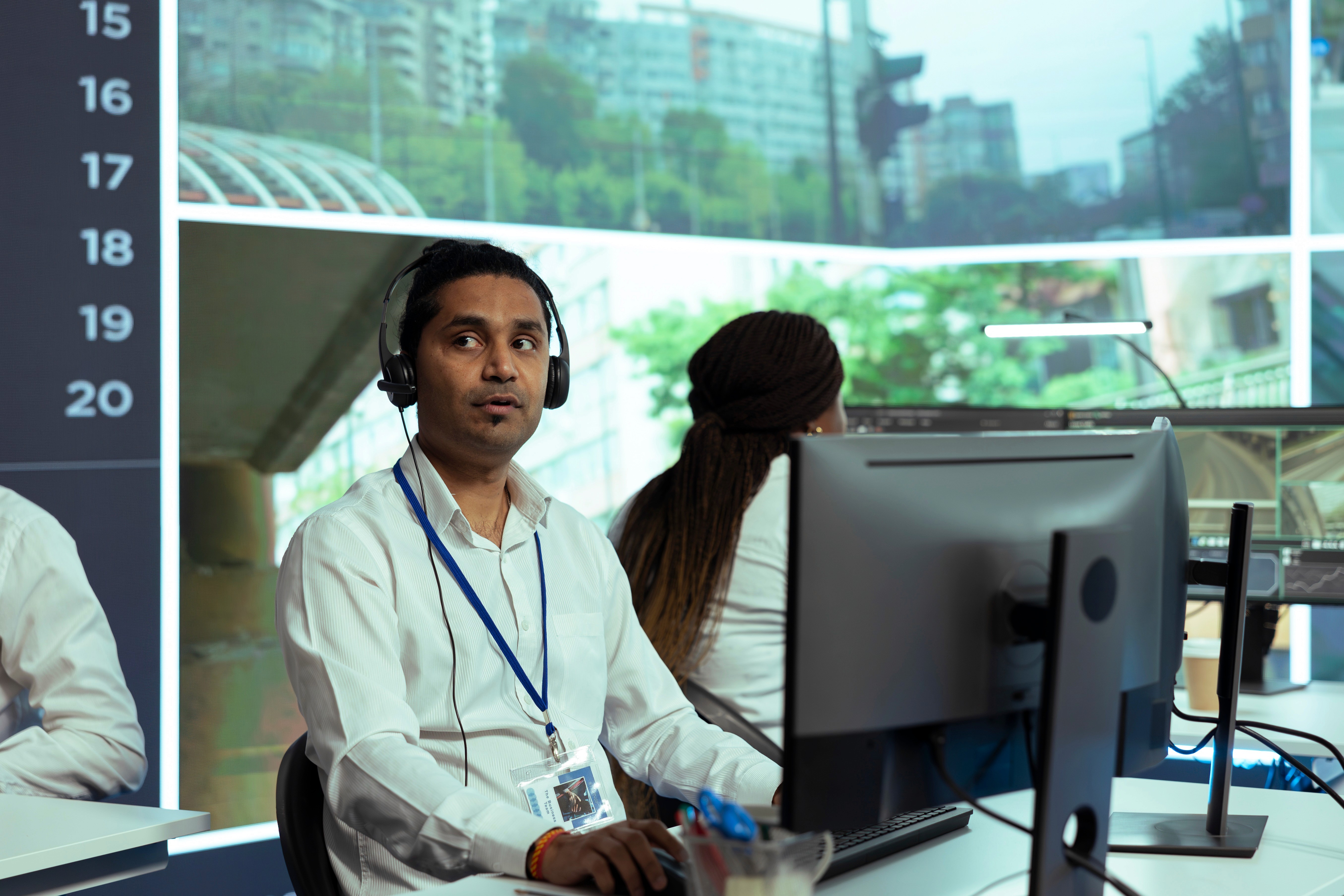
At Sevanun, our Clinical Command Centre exists precisely for this purpose: to ensure that every data signal from every enrolled patient is reviewed by a qualified care professional, and that every alert results in the right clinical response — not a notification that disappears into an inbox.
The bottom line for hospital and clinic partners
For hospitals and health systems, continuous monitoring is not just a patient benefit — it is an operational one. Fewer unplanned readmissions mean better outcomes metrics, reduced cost pressure, and more capacity for patients who genuinely need inpatient care.
For patients and caregivers, it means something simpler: the confidence that someone is always watching, always ready, and always there — even when the hospital is not.
Sevanun's Care Delivery Platform includes continuous monitoring as a core pillar. Contact us to learn how it can be deployed for your patient population. → Request a Demo